Supported by the FinOps Foundation, FOCUS™ reduces complexity for FinOps Practitioners so they can drive data-driven decision-making and maximize the business value of cloud.

FOCUS normalizes cost and usage billing data from different sources, reducing the amount of work needed to begin FinOps analysis, and enabling businesses to refocus that energy on activities that are more strategic and worthwhile.
Subtitles are available in English, French and Spanish. Click here to get the full masterclass.
FOCUS Adoption
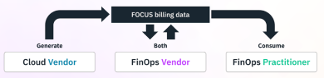
Before FOCUS, Billing data from cloud providers, but also PaaS and SaaS vendors, employed unique terminology, taxonomy, and metrics in their billing file (like the CUR for AWS).
This complexity slowed a FinOps Practitioner down, as they must spend valuable time ingesting and normalizing all this data before they can even begin analysis.
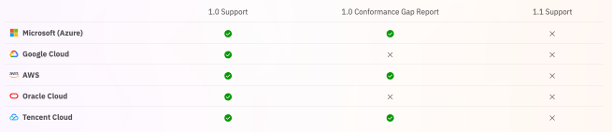
FOCUS 1.0 was announced in June 2024 and is now supported by all cloud providers. FOCUS 1.1 was ratified in November 2024 and FOCUS 1.2 in November 2025.
FOCUS Queries
You can query the same data as with the CUR file, but you have new columns as well, such as AWS Account Name.
The FOCUS 1.0 AWS export contains the CUR formatted with FOCUS 1.0, along with five additional columns from AWS that contain proprietary billing data: x_CostCategories, x_Discount, x_Operation, x_ServiceCode, and x_UsageType.
You can retrieve the full list here: FOCUS 1.0 with AWS columns - AWS Data Exports
FOCUS 1.2
AWS announced the general availability of data exports for FOCUS 1.2 on November 2025. This update to the FinOps Open Cost and Usage Specification introduces 14 new columns for improved invoice reconciliation, SaaS provider support, and capacity reservation tracking, allowing for more granular cost and usage reporting.
There are some breaking changes: Migrating from FOCUS 1.0 to FOCUS 1.2 - AWS Data Exports